
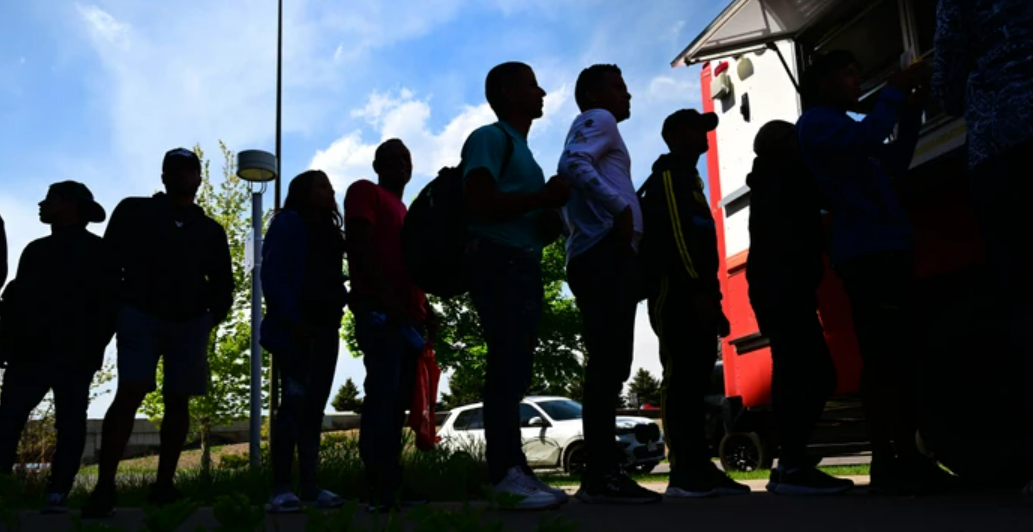
Nearly 40,000 migrants have arrived in Denver over the past year, making a city with a population of just over 710,000 the top destination per capita for newly arrived migrants crossing the U.S. southern border and traveling north in buses from Texas.
The influx is taking a toll on the city’s public safety net. Starting Feb. 5, Denver will limit the number of days migrants can stay in shelters and send those who exceed their stay out onto the streets.
One Venezuelan family, a mother, father and their three daughters, told NBC News they’ve been staying at a hotel paid for by the city, but they’ve just received notice that they’ll be evicted.
“Just yesterday they started throwing away the toys, the bicycles in the common area,” the mother said. “We don’t know where we will go next.”
Denver Health, the city’s “safety net” hospital, is asking for more money from both the state and federal government to help cover $10 million in unpaid medical bills from migrants.
Denver Mayor Mike Johnston estimates the city will need $100 million over 2024 to pay for housing, schooling, health care and other services as a result of the unexpected influx of migrants.
Dr. Steven Federico, a pediatrician and chief of government and community affairs at Denver Health, said the hospital has reached out to state and federal agencies for help.
“I think it’s been an unheeded call so far in terms of who’s going to be responsible for the health care of this population,” Federico told NBC News. “In the meantime, it falls on safety net hospitals like Denver Health.”
A spokesperson for the Department of Homeland Security said in a statement that the agency will continue to work with the city in welcoming recently arrived migrants. “We continue to urge Congress to approve our supplemental request, provide us with the resources to manage the Southwest Border in a humane, safe, and orderly manner, and provide communities across the country with the financial support they need,” the spokesperson added.
Another pediatrician getting ready to work the late shift in the emergency room, Dr. Kristi Rodrigues, said she worries about what care migrants will be able to access once they leave the ER. The hospital is required to cover anyone who comes in for emergency care, regardless of their immigration status or ability to pay, but Rodrigues worries that patients won’t be able to have checkups or get medication for illnesses that are sometimes life-threatening.
“I don’t mind being busy. I can see a lot of patients, I can stay late,” Rodrigues said. “But I don’t know if this person is going to get his medicine filled. I don’t actually know if this person is ever going to get into a pediatrician to be seen and taken care of. For me, that’s the part that pulls at my heartstrings.”
She’s seen an uptick in varicella, also known as chicken pox, and even some parasitic problems caused by poor drinking water that migrants have consumed on their journeys to the United States.
In many ways, Denver has welcomed migrants in a way not seen in other cities. They have not had major protests like New York and Chicago. Instead, residents have joined with nonprofits to donate food and clothing and even organized carpools to get new migrant students to school. Read more here…