


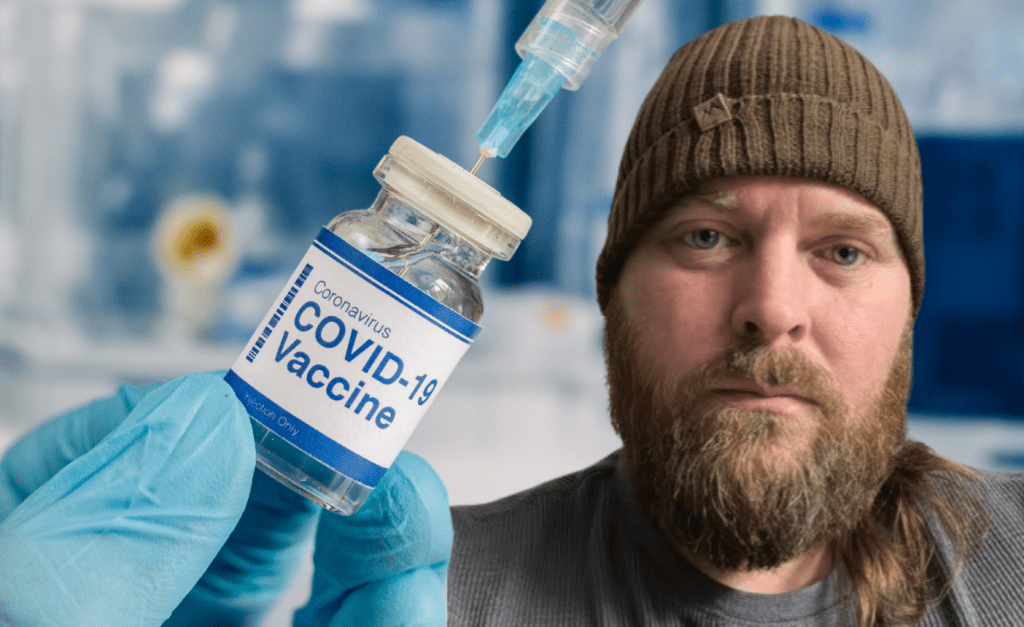
As the world grapples with the aftermath of the COVID-19 pandemic, the distribution and administration of vaccines have come under fire by critics. Amidst this monumental effort, questions have arisen regarding the logistics of vaccine transportation and storage, particularly the Pfizer-BioNTech COVID-19 vaccine, known for its stringent cold-chain requirements. These questions are not just logistical but deeply intertwined with the efficacy and safety of the vaccine, affecting public trust and the overall success of the vaccination campaign.
In this context, a striking account from Harry Fisher, a seasoned paramedic with extensive experience in emergency medical services, sheds light on the complexities and potential issues in the vaccine’s transportation and storage. Harry’s firsthand observations from his work in Oklahoma and remote areas of Alaska since 1997 provide a unique perspective on the rollout of what he describes as an “experimental shot.”
I’m a paramedic that currently works in Oklahoma on an ambulance PRN, all the way to remote areas in Alaska. I’ve been working in medicine since 1997. I have never experienced such carnage until this experimental shot rollout. Questions need to be asked. Answers need to be given.… pic.twitter.com/14prYlUzQ4
— Harry Fisher (@HopiNg66966500) December 26, 2023
This article seeks to uncover the layers behind Harry’s observations. We delve into the critical aspects of the Pfizer vaccine’s storage and transportation, juxtaposing industry standards with Harry’s experiences. We aim to understand the potential impacts on vaccine efficacy and public health, and explore the measures that can be taken to ensure the integrity of the vaccine supply chain.
Paramedic thinking out loud. After years of trying to warn, and being censored, I’m now watching the excess deaths pushed under the rug. I’m Praying for those that have lost. For those injured. For all who have bought into a system that’s killing them.
— Harry Fisher (@HopiNg66966500) December 23, 2023
Sad times. Going to be… pic.twitter.com/rbSiZ0NTrA
Our upcoming interview with Harry promises to be revealing. His insights, coupled with expert opinions and data, will provide a comprehensive view of a crucial aspect of the COVID-19 vaccination process that often remains unseen by the public eye.
In an era where misinformation can spread as rapidly as a virus, understanding the realities faced by medical professionals on the ground is more important than ever. This exploration into the storage and transportation of the Pfizer COVID-19 vaccine is not just a story of medical logistics; it’s a narrative about dedication, challenges, and the relentless pursuit of public health safety in unprecedented times.
Interview with Harry Fisher: A Paramedic’s Perspective on COVID-19 Vaccine Transportation and Storage
Background and Experience
- Q: Could you share a bit about your background and experience in medical services, especially in relation to vaccine distribution?
- A: I’ve been an EMT since 1997 and a paramedic for nearly 12 years. My career includes being an army and airforce medic, working in ambulance services, ERs, and ICUs. Currently, I’m a PRN for an ambulance service in Oklahoma and a remote paramedic/bear guard in Alaska. During COVID, I took contracts in NYC, witnessing post-mRNA injection issues, such as heart attacks and strokes in young patients.
Observations on Vaccine Transport
- Q: You mentioned observing vaccines being transported in igloo coolers. Can you describe these instances?
- A: In Oklahoma City, I saw individuals arrive at nursing facilities with igloo coolers for COVID-19 injections. The vaccines were meant to be kept extremely cold, but I didn’t see any protocols ensuring this. My concerns were heightened after performing CPR in a Pfizer shot line, where there were casualties.
Temperature Monitoring
- Q: How were the temperatures of these vaccines monitored during transportation? Were there specific protocols followed?
- A: I didn’t witness any strict cold protocols; just regular coolers without clear temperature monitoring.
Comparison with Standard Protocols
- Q: How did these practices compare with the standard protocols for vaccine storage and transportation?
- A: The vaccines I administered in the military didn’t require such low temperatures. The protocols for the COVID-19 vaccine seemed more stringent in comparison. Eventhough, they were not being followed.
Impact on Vaccine Efficacy
- Q: In your opinion, how might these storage conditions have affected the vaccine’s efficacy?
- A: According to CDC, improper storage can make vaccines less effective. The experimental nature of the mRNA vaccine leaves uncertainties—from reduced efficacy to potentially severe outcomes.
Reporting and Response
- Q: Were these incidents reported? What was the response?
- A: I reported my experiences, including CPR incidents, to the appropriate databases and a senator, Shane Jett of Oklahoma. Despite this, there was little to no response. Efforts to share my observations on social media were often censored.
Personal Observations and Concerns
- Q: Do you have any other observations or concerns about the vaccine rollout?
- A: I’ve documented several cases, including an unprecedented number of miscarriages and aortic dissections post-mRNA vaccine, in my videos on X.
Suggestions for Improvement
- Q: What suggestions do you have for improving vaccine transportation and storage in the future?
- A: Vaccines requiring extremely low temperatures should be maintained as such. Transporting patients to vaccination sites might be more effective than using less reliable methods like igloo coolers.
Message to the Public
- Q: What message or advice would you like to give the public regarding the COVID-19 vaccination process?
- A: The public should be wary of fear-based propaganda and the overuse of the term “safe” without proper risk disclosure. True consent and comprehensive documentation are crucial.
Additional Comments
- Q: Is there anything else you’d like to add?
- A: I encourage checking out my recent videos on X. The continuous censorship has been exhausting, but it’s vital to share these concerns.
Closing Remarks
- Harry: Thank you for getting with me. It’s truly nice to know real reporters are looking into what’s occurring.
Closing Remarks: Understanding and Addressing the Challenges in Vaccine Distribution
The insights shared by Harry Fisher, a paramedic with extensive experience in emergency medical services, shed a critical light on the complexities and potential shortcomings in the COVID-19 vaccine distribution process, specifically regarding the Pfizer-BioNTech vaccine. His observations, ranging from transportation in standard coolers to witnessing adverse medical events post-vaccination, underscore the importance of adhering to established protocols and the need for thorough monitoring and documentation.
Harry’s experiences highlight a significant gap between the ideal storage and transportation conditions for the Pfizer vaccine and the realities on the ground. While the FDA and Pfizer have provided guidelines allowing for more flexible storage conditions, the discrepancies Harry noted raise concerns about the efficacy and safety of the vaccines administered under less-than-ideal conditions. These concerns are not just about logistics but about public health and trust in the vaccination process.
The accounts of adverse events following vaccination, as described by Harry, call for a deeper investigation and more open discussions about vaccine safety and efficacy. It’s crucial to balance the urgent need for widespread vaccination with the necessity of maintaining strict standards to ensure the vaccines’ effectiveness and minimize potential risks.
Harry’s suggestions for improvement, including transporting patients to appropriate vaccination sites instead of using makeshift methods for vaccine transportation, are worth considering. They emphasize the need for a robust and reliable cold chain infrastructure, especially for vaccines with stringent temperature requirements.
As we move forward, it’s essential to learn from these experiences. Ensuring the integrity of vaccine storage and transportation, providing clear and transparent information, and respecting the principles of consent and informed decision-making are pivotal. The fight against COVID-19 is not just a medical challenge but a logistical and ethical one, demanding a coordinated response from healthcare professionals, regulatory bodies, and the public.
In conclusion, Harry Fisher’s firsthand account is a vital piece of the larger puzzle of the COVID-19 vaccine rollout. His experiences serve as a reminder of the complexities involved in such a monumental public health endeavor and the ongoing need for vigilance, improvement, and open dialogue to navigate these challenges successfully.
If you want to learn more about Harry, you can follow him on X @HopiNg66966500
Article source via Vigilant News