
Jerusalem demands tougher terms as Trump pursues nuclear-focused deal with Tehran; Netanyahu to press for curbs on missiles, militias, and Iran’s regional terror network.
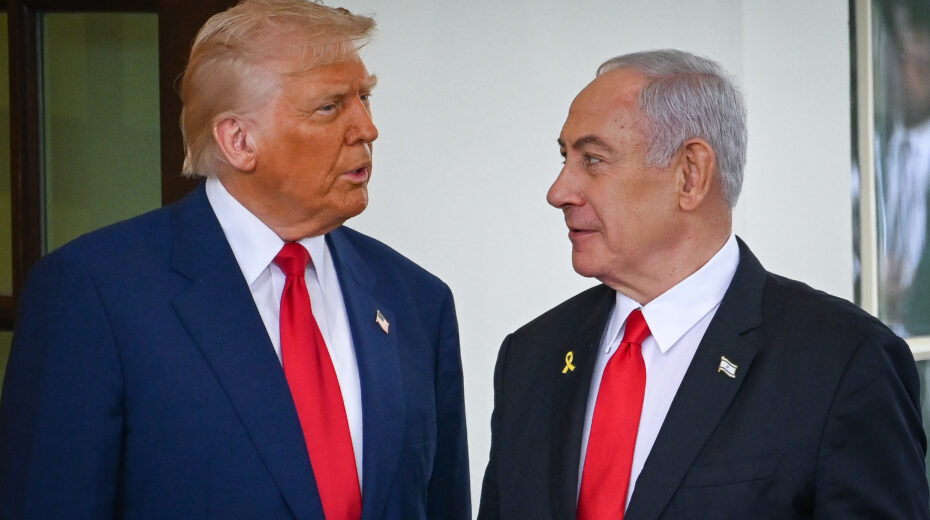
Prime Minister Benjamin Netanyahu will meet US President Donald Trump in Washington this Wednesday—an urgent trip brought forward from a previously scheduled February date—as Jerusalem seeks to reframe the terms of America’s negotiations with Iran.
At the top of Netanyahu’s agenda: ensuring that any deal with Tehran addresses not only the nuclear issue, but also Iran’s ballistic missile arsenal, its network of regional militias, and the broader threat of the “axis” Iran leads across the Middle East.
According to Israeli officials, Netanyahu is deeply concerned that the current US approach is too narrow, focusing only on uranium enrichment while ignoring the rest of the Iranian war machine. Israel views this as a critical strategic misstep.
The hastily arranged visit follows indirect US–Iran talks last Friday in Muscat, where Trump advisers Steve Witkoff and Jared Kushner reportedly engaged with Iranian interlocutors. Iran’s Foreign Minister Abbas Araghchi made clear that Tehran considers its ballistic missile and regional operations “non-negotiable.”
That message set off alarm bells in Jerusalem, where senior officials warn that a nuclear compromise without parallel constraints on Iran’s missiles and militias is not a real agreement, but rather a countdown to the next crisis.
Netanyahu’s cabinet believes that Trump’s diplomatic overtures risk cementing a deal that addresses the technicalities of the nuclear program while leaving the strategic threat architecture intact and untouched.
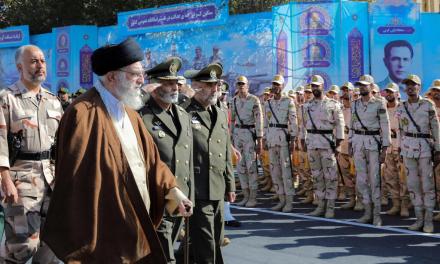
Israel’s position remains firm: a nuclear-armed Iran is an existential threat, but it is the ayatollah regime’s entire regional apparatus—weapons, proxies, bases, and terror funding—that must be dismantled.
Tehran, meanwhile, continues to reject any attempt to expand the scope of talks. Iranian officials have repeatedly insisted that ballistic systems and regional policies are off the table, a stance that Israeli analysts describe as both predictable and dangerous.
With this week’s summit, Netanyahu is expected to urge Trump to harden the US negotiating line—and clarify that any deal lacking multidimensional security guarantees will not be accepted by Israel, nor supported by key regional partners.